First Light over Brighton: Tides, Glow, and the Whispering Sea
Reading Dawn’s Palette above the Channel
Cloud Forms that Paint the Piers
Thin cirrus can ignite long before the Sun clears the horizon, turning the Palace Pier and the skeletal West Pier into layered silhouettes against glowing veils. Altocumulus ripples scatter pastel gradients, while low stratus mutes contrast, urging slower shutter speeds and more contemplative, grounded framing.
The Belt of Venus over open water
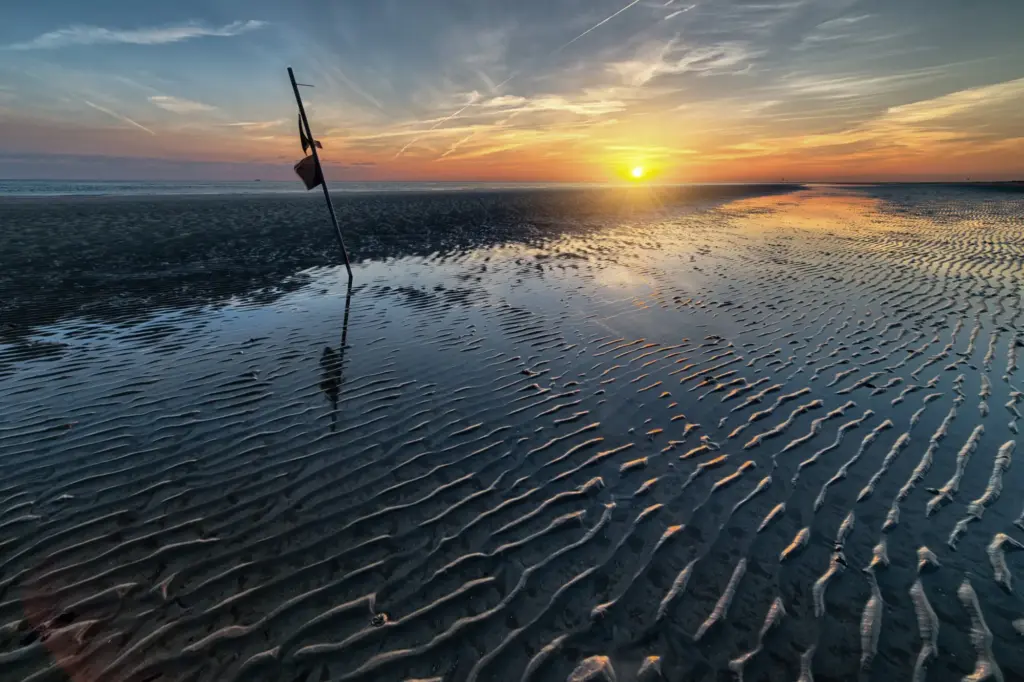
When twilight deepens, a rosy anti-solar band sometimes lifts above the western houses while Earth’s shadow hovers beneath. Over open water its gradient looks cleaner, mirrored in calm shingle pools, shaping gentle leading lines that guide attention back toward the awakening horizon with quiet intention.
Haze, salt, and the softness of edges
Spring mornings often bring maritime haze that diffuses specular highlights and softens pier latticework. In winter, colder air can sharpen edges dramatically, but frost on the promenade rails adds glittering flare risks. Choosing angles slightly off-axis controls bloom while preserving luminous tenderness along wet stones.
Tide Rhythm and the Shape of the Shore
Reading spring and neap in the tables
Low tide wanderings toward Ovingdean
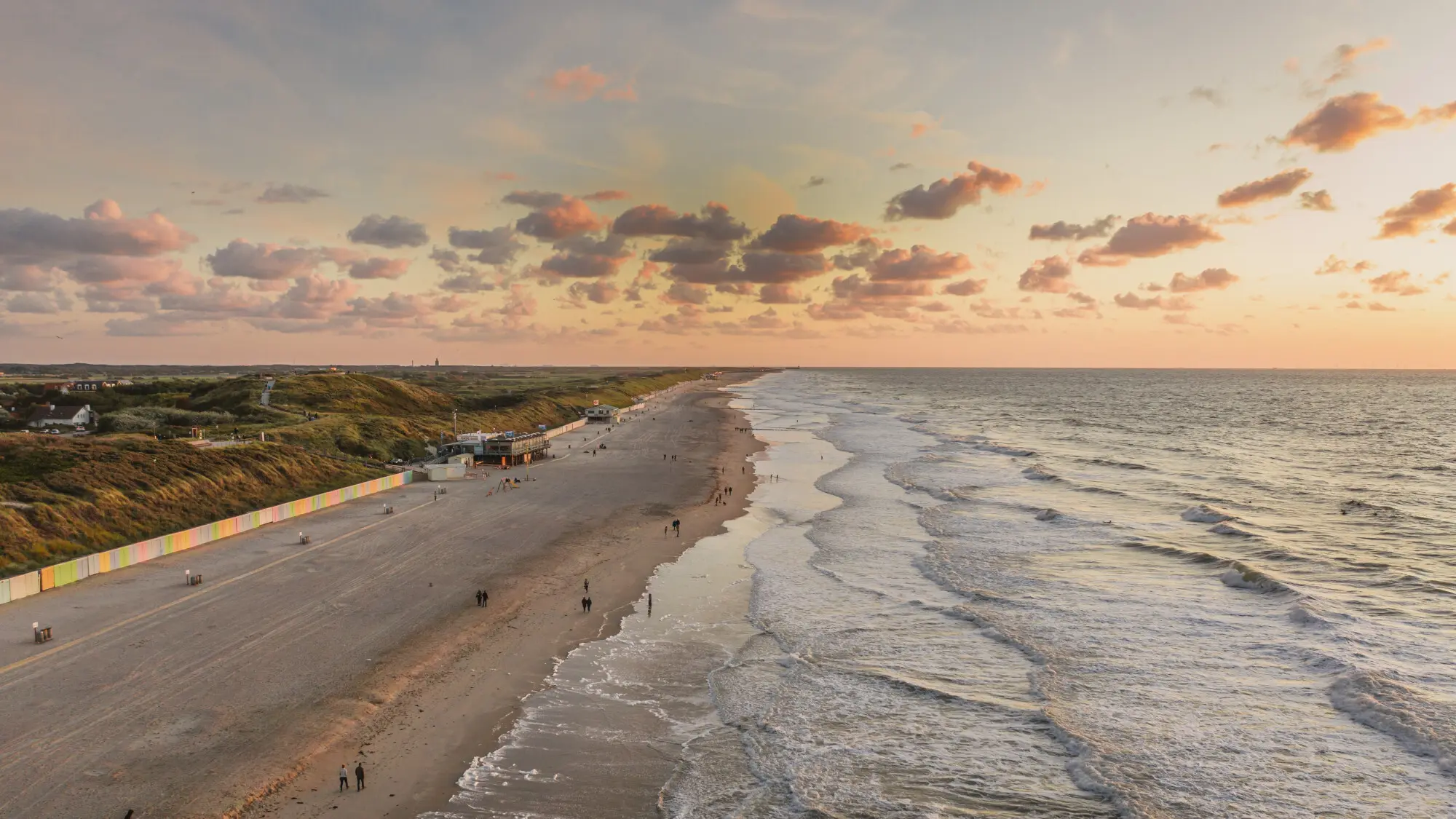
Midwinter glow across an open corridor
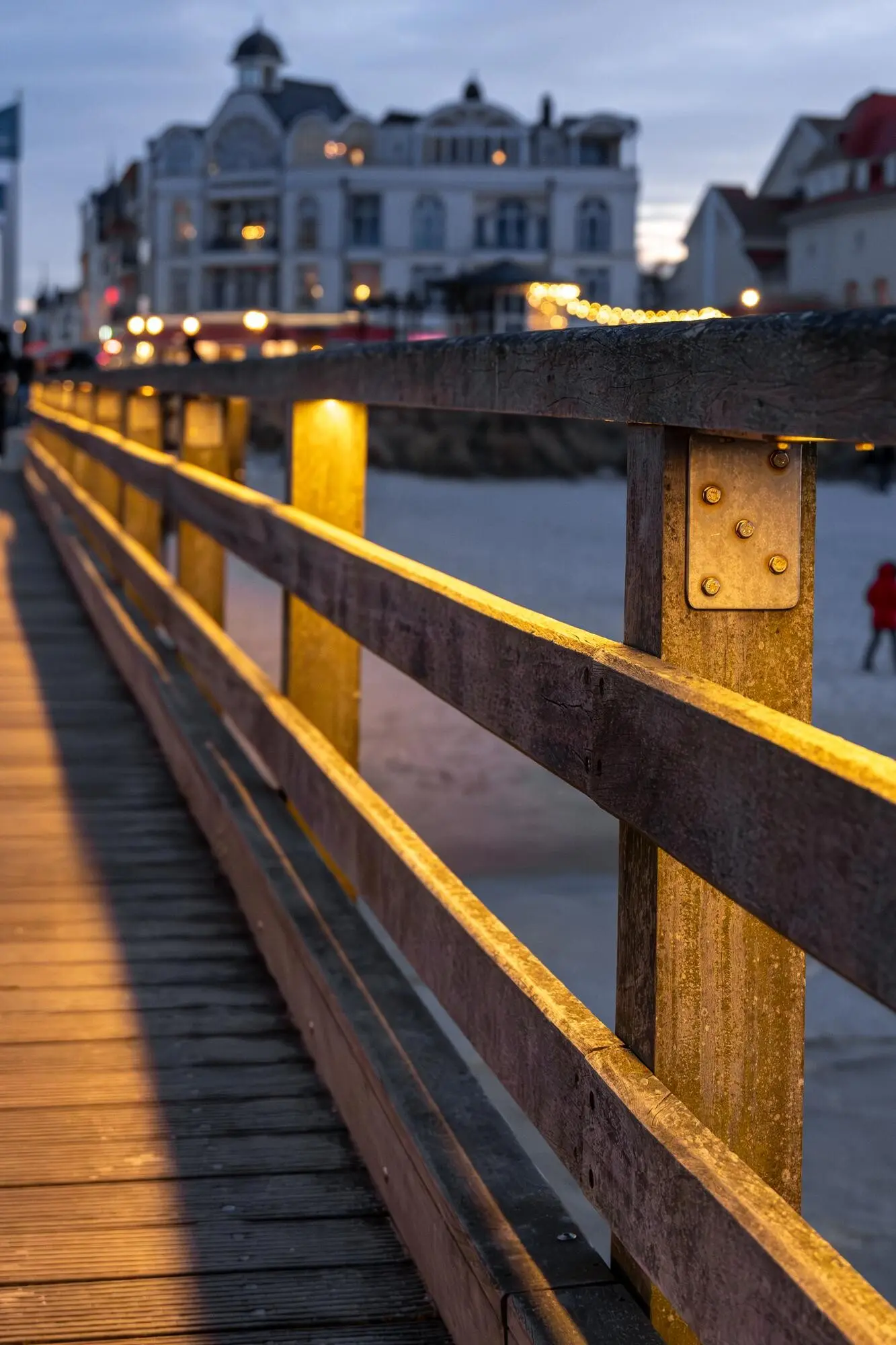
Equinox balance on wetted shingle
Stories Carried on the Morning Air
Practical Notes for the First Hour
01
Timing tools that respect real conditions
Combine official tide tables with sunrise, civil, and nautical twilight times, then overlay wind, swell, and cloud forecasts. Apps offer plenty, but on the promenade your senses rule: listen for shingle pitch, watch flags, smell ozone, and trace cloud motion rather than chasing radar ghosts.
02
Compositions that honor movement
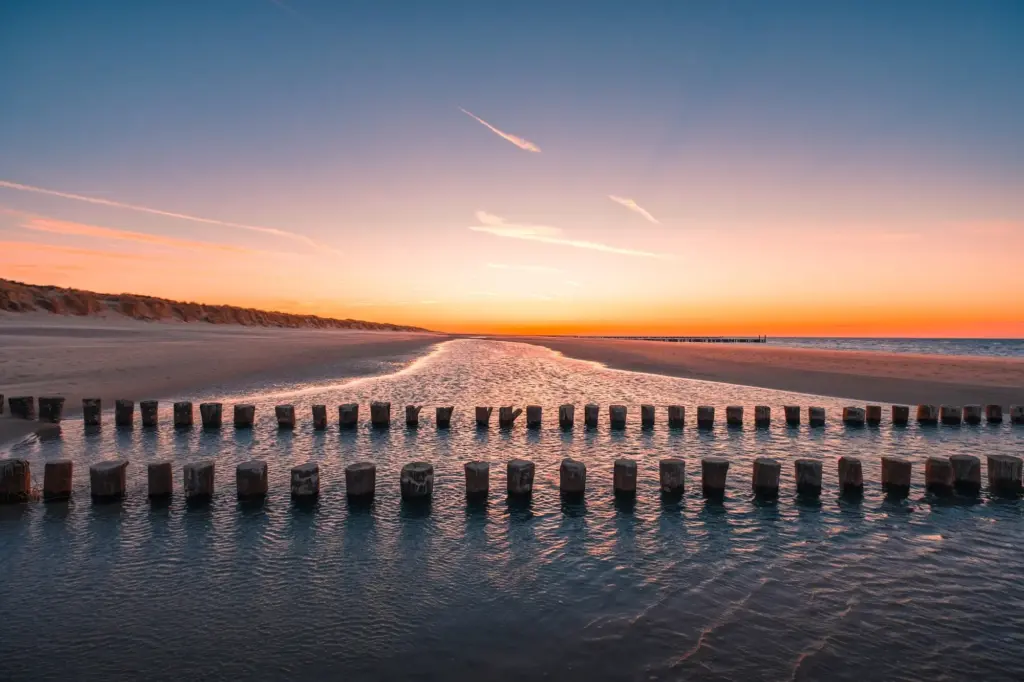
Lead the eye with groynes, pier struts, and retreating backwash, but leave space for the sea to breathe. Use shutters that respect rhythm, not merely smoothness, and tilt horizons intentionally. Reflections on wet pebbles can anchor color while gull arcs add living punctuation to frames.
03
Safety with dignity and kindness
Dark rocks, algae, and shifting swash lines demand humility. Tell someone your plan, carry a small light, and step thoughtfully. Decline risky perches during strong onshore winds, and share space generously with workers, anglers, and swimmers who also rise early to greet the water’s changing voice.
The Science Beneath the Glow
Join the Conversation at Dawn