Dawn Watch on the Brighton Shore

Wake with the gulls and the glow rising over the English Channel, when the promenade is hushed and every ripple seems to whisper a secret. We’ll explore early-morning wildlife encounters along the Brighton shore, sharing practical tips, true sightings, and gentle guidance so you can notice more, disturb less, and return home warmed by a thermos, a few good photos, and a story worth telling friends who might join next time.

Breathing with the Tides

Stand where the shingle meets the froth and match your breath to the pull and push of the sea. As the tide exhales, watch for movement among exposed stones: scuttling crabs, darting blennies, and waders testing the edge. Slow breathing steadies binoculars, sharpens hearing, and keeps your presence calm, which matters more than you think when every creature is gauging your rhythm before deciding to stay or flee.

Listening Before You Look

Close your eyes for thirty seconds and catalogue the soundscape: the clipped mew of herring gulls, the threaded chatter of starlings under the pier, a cormorant’s splashy return, distant cyclists on wet pavements. That inventory becomes your map. When you open your eyes, you already know where to focus, which direction to scan, and how to anticipate a burst of flight or a whiskered head lifting between gentle morning swells.

Choosing Vantage Points

Slight changes in height transform what you see. Try the railings near Hove Lawns for sweeping horizons, duck under the Palace Pier for silhouettes against amber water, or climb the marina’s eastern arm at safe, permitted spots for diving birds. Think about backlight, wind direction, and dog-walker traffic. A spot where shadows fall behind you helps with detail, while fewer passersby give shyer visitors confidence to continue their routines undisturbed.

Birdlife in Motion at Sunrise

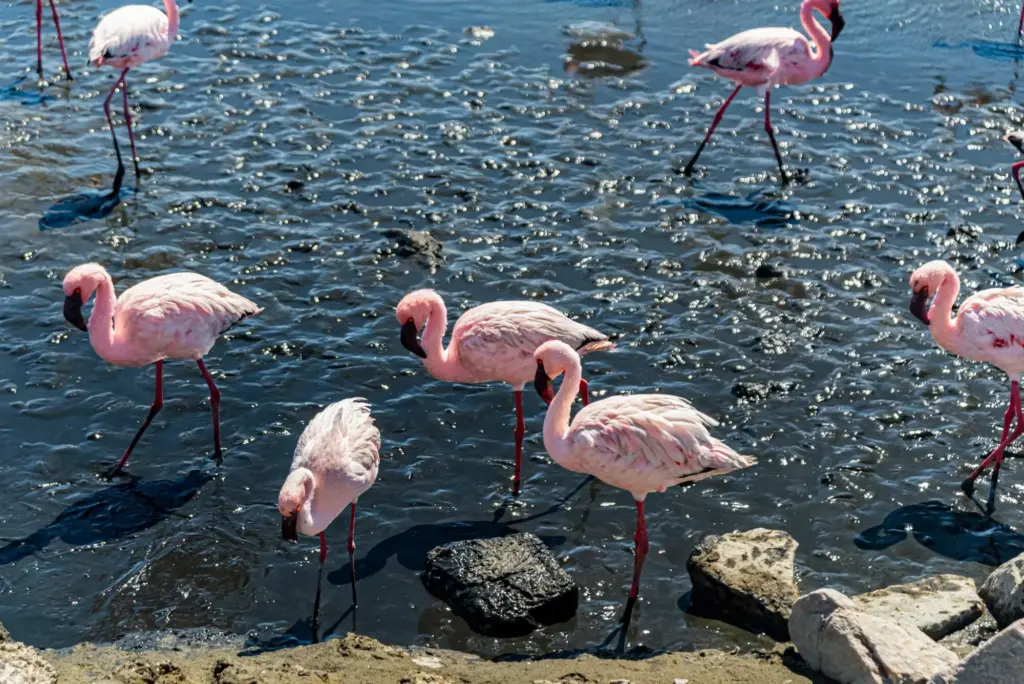
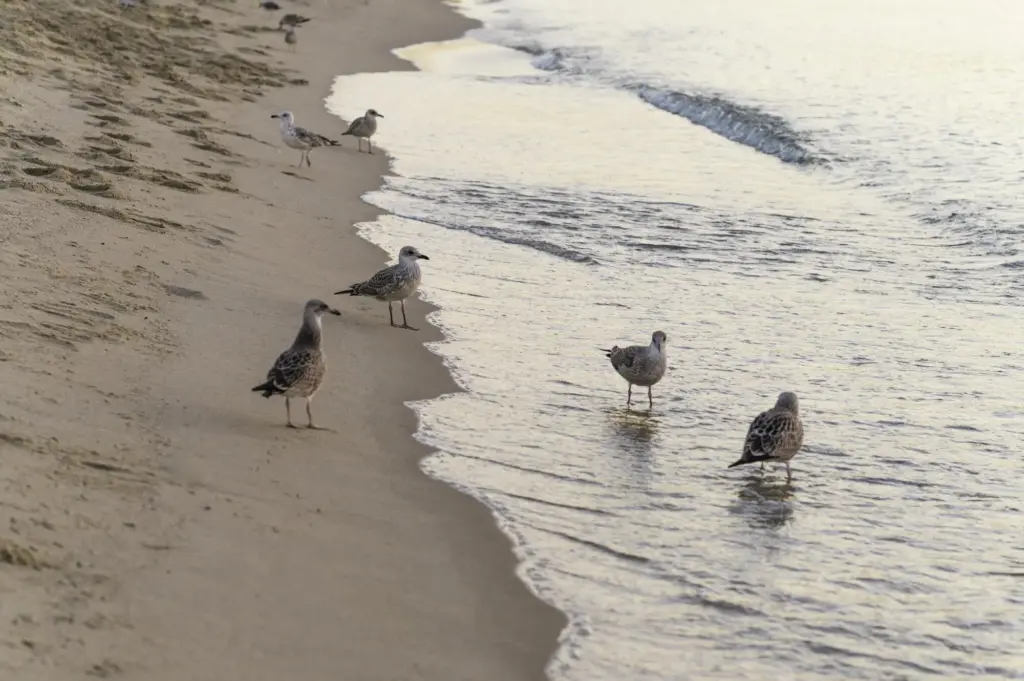
When the sun kisses the channel, the air becomes a corridor of errands and appetite. Herring and great black-backed gulls argue over wrack, cormorants arrow toward feeding grounds, and dainty turnstones flip pebbles like practiced artisans. In late spring, terns carve silver loops; in autumn, migrating flocks briefly refuel. Dawn photography means fast shutters yet gentle posture, letting birds reclaim the foreshore before the day’s commotion claims it back from them.

Quiet Neighbors of the Surf

Not everything flutters; some mornings bring whiskers and sleek backs. Along Sussex waters, grey or harbor seals occasionally surface, eye-level and unhurried. Offshore, dolphins may arc beyond the breakers on still, bright days. On the promenade’s margins, an urban fox might thread its way home before breakfast crowds. These encounters prefer empathy over excitement: a measured distance, gentle voices, and the patience to let curiosity run both ways without pressure.

Tidepools and Groynes: Hidden Cities

East toward Ovingdean and Rottingdean, low tide draws a curtain and reveals neighborhoods of anemones, shore crabs, limpets, barnacles, and slippery ribbons of seaweed sheltering tiny fish. At dawn, fewer footprints mean clearer stories: fresh tracks, undisturbed algae, and patient creature business. Move slowly, watch where you step, and return residents to their puddle homes. Hand lenses transform puddles into planets, and careful curiosity helps young explorers learn gentle habits that last a lifetime.


Weather, Tides, and Timing

{{SECTION_SUBTITLE}}

Finding the Sweet Spot of Light and Tide

Aim for that sweet overlap when first light meets retreating water, exposing feeding edges and reflective shallows. Backlight sculpts birds; side light reveals detail. Spring tides uncover broader foraging grounds, while neaps can concentrate activity along stable margins. Track patterns across weeks so your intuition sharpens. When you arrive and conditions differ from forecasts, adapt quickly: reposition for wind, shadow, and behavior rather than clinging to your original idea of perfection.

Gear That Stays Quiet and Ready

Pack lightly: binoculars, a small camera with a silent shutter mode, and a waterproof pouch for notes. Choose muted clothing that resists rustle. Keep snacks and flasks accessible to minimize rummaging. If you use a tripod, extend legs slowly and avoid scraping stones. Preparation reduces distraction, leaving you present for quick appearances—a fox at the promenade’s edge, a seal’s periscope glance—moments lost when zippers and frantic adjustments steal the stage.

Care, Courtesy, and Community

A thriving shoreline depends on how we move, speak, and share. Keep respectful distances, leave nests and haul-outs undisturbed, and carry litter home. Leash dogs near feeding flocks and teach children slow, soft approaches. Join beach cleans, support local conservation, and report unusual sightings responsibly. Most of all, invite others politely into this dawn ritual. Collective attention weaves safety for creatures and people, turning isolated moments into a generous, ongoing conversation.
Lumamexonexovaro
Privacy Overview

This website uses cookies so that we can provide you with the best user experience possible. Cookie information is stored in your browser and performs functions such as recognising you when you return to our website and helping our team to understand which sections of the website you find most interesting and useful.